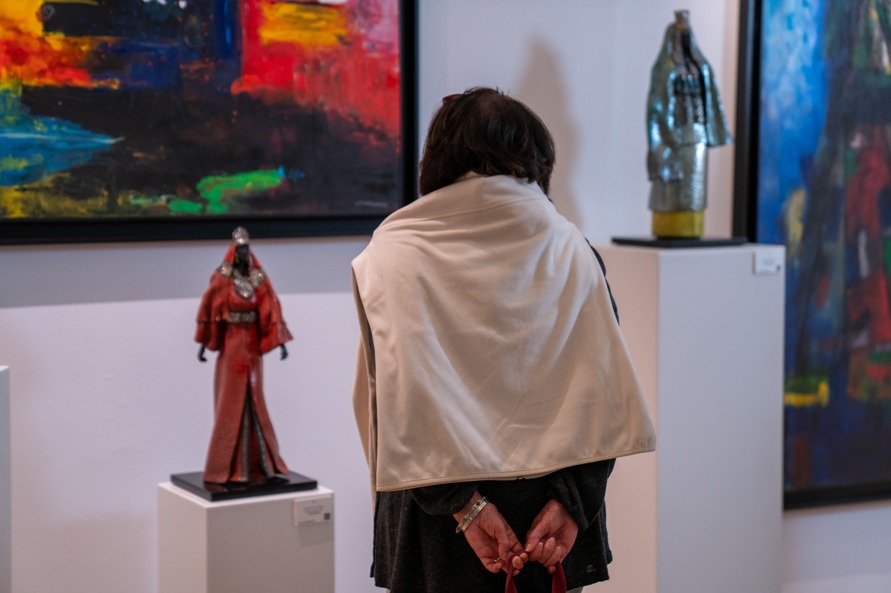




The exhibition “Imprint and Transmission from Mother to Daughter,” at Galerie Mine d’Art, brings together contemporary art, memory and Amazigh symbols through a distinctly female perspective on a living heritage.
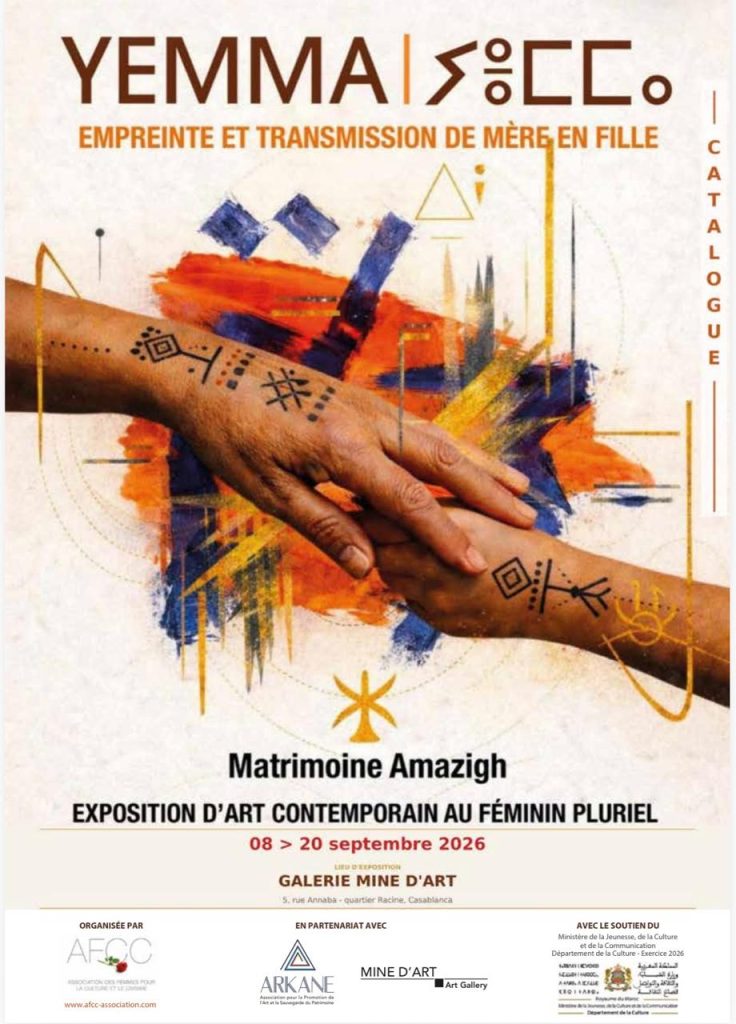
Casablanca. Memory, identity and cultural transmission take artistic form in “YEMMA – Imprint and Transmission from Mother to Daughter,” a contemporary art exhibition that places Amazigh heritage in dialogue with the artistic expressions of the present.
Hosted by Galerie Mine d’Art in Casablanca, the exhibition is initiated by the Association des Femmes pour la Culture et le Civisme (AFCC), in partnership with the Association ARKANE and the gallery itself. The project brings together different female perspectives on a heritage that is not simply preserved, but continues to evolve and acquire new meanings.
Fatna Chanane: Between Memory and Creation
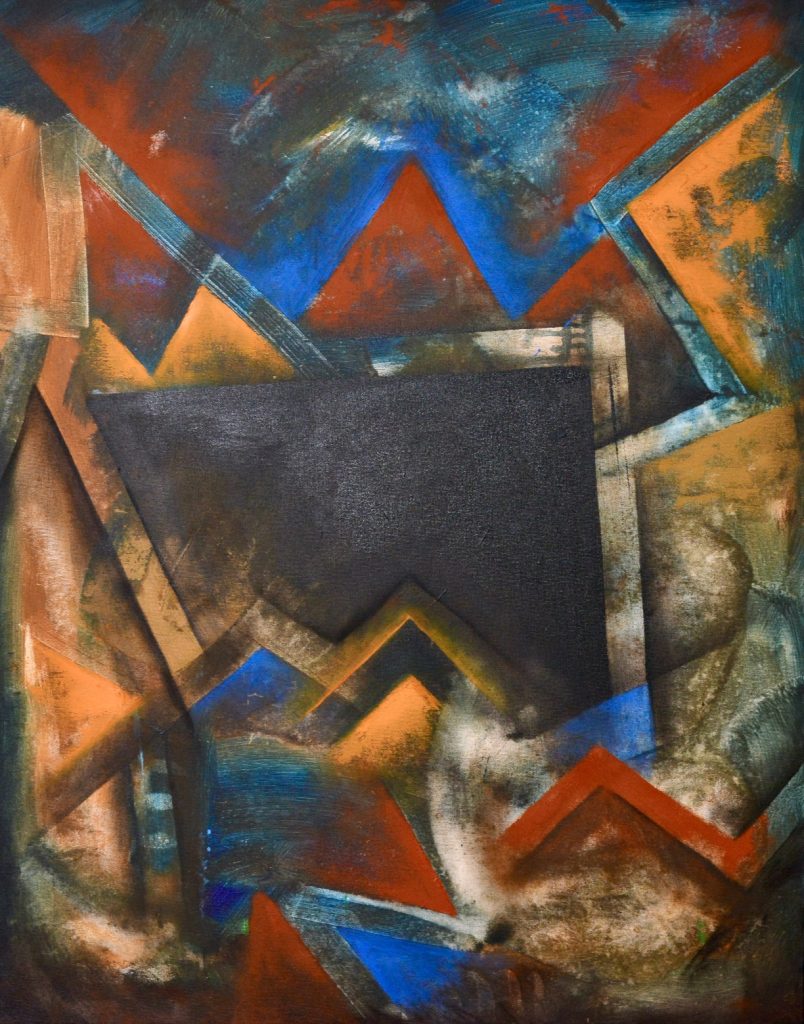
Among the artists featured in the exhibition, Fatna Chanane holds a distinctive place. Her artistic work has for several years explored themes including memory, identity, heritage and contemporary creation.
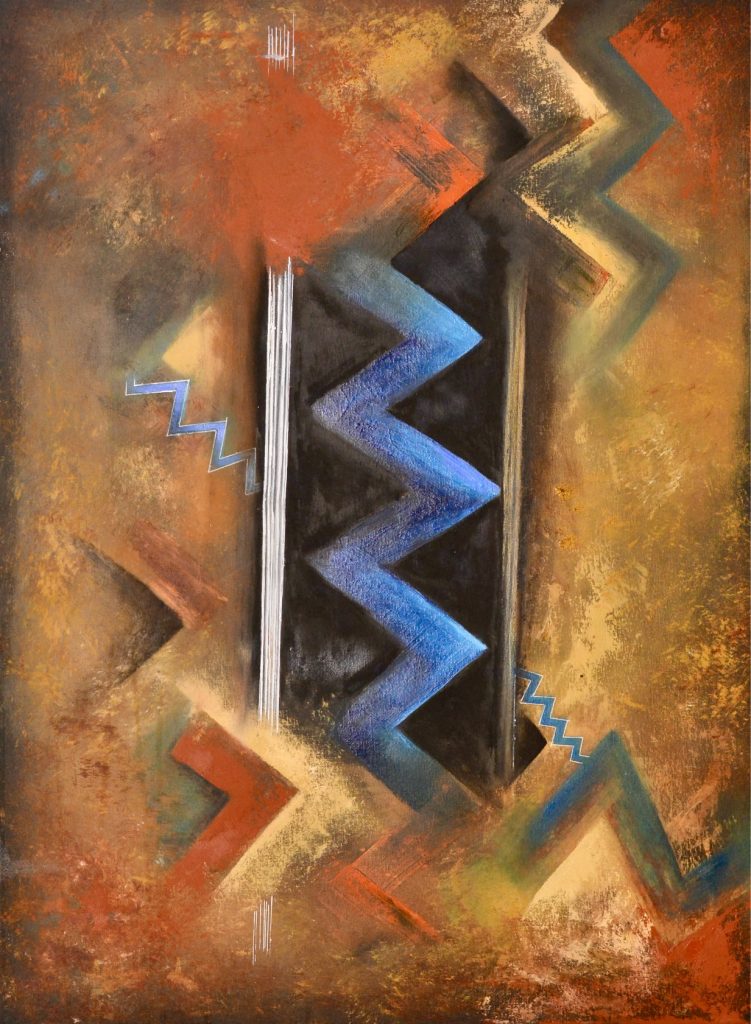
Her paintings draw on signs, symbols, motifs and elements of Moroccan heritage, which she reinterprets through her own visual language. In “YEMMA,” this artistic approach takes on a particular dimension through the theme of transmission from mother to daughter.
In her compositions, signs become traces of both personal and collective memory. The pictorial material also evokes what is passed from one generation to another without necessarily being expressed in words: gestures, values, emotions, beliefs and identity.
Rather than simply reproducing heritage, Chanane seeks to reinterpret it and bring it into the present, creating a dialogue between what has been inherited and what is now being reinvented.
Amazigh Tattooing as a Language
One of the central elements explored by “YEMMA” is Amazigh tattooing, approached from a perspective that goes beyond its aesthetic dimension.
Traditionally inscribed on the body, Amazigh symbols can be understood as a form of visual writing connected to identity, memory, beliefs and protective practices. This dimension strongly resonates with Fatna Chanane’s artistic universe, in which symbols become a language capable of connecting generations.
The exhibition therefore raises a fundamental question: how can a memory be preserved without turning it into something static?
“YEMMA” offers an answer through contemporary creation. Heritage is presented as a living material—something that can be reinterpreted, questioned and transformed while maintaining its connection to the past.
A Female Perspective on Cultural Transmission
Beyond its artistic dimension, “YEMMA” highlights the role of women as key actors in the transmission of cultural memory.
Through the initiative, the AFCC continues its commitment to supporting women’s artistic creation, access to culture and the recognition of women’s role in artistic, social and civic life.
The exhibition draws particular attention to forms of knowledge and memory that have historically been transmitted within families and communities from one generation to the next.
In this context, the concept of “YEMMA” — mother — takes on a meaning that extends beyond the family relationship. It becomes a symbol of the transmission of collective memory and of a heritage in which women have played a fundamental role in ensuring continuity.
The project is supported by the Ministry of Youth, Culture and Communication – Department of Culture, as part of the 2026 programme.
Ultimately, “YEMMA” invites audiences to look at Amazigh heritage not solely through nostalgia or preservation, but through its ability to generate new forms of expression. It is a memory passed from mother to daughter, while at the same time finding new ways to exist and speak to the present through contemporary art.