






Blue light has become an unavoidable part of modern life. Smartphones, computers, tablets, televisions and LED lighting accompany work, education and entertainment throughout the day and often well into the night. While this technology has transformed the way people communicate and access information, growing concern has emerged over the long hours many people spend in front of digital screens. Health experts emphasize that blue light itself is not inherently harmful, but prolonged exposure, particularly during the evening, may contribute to eye fatigue and disrupt healthy sleep patterns.
As digital devices continue to dominate homes, workplaces and classrooms, eye care specialists are encouraging practical preventive habits rather than fear of technology. The expansion of remote work, online education and social media has significantly increased daily screen time across every generation, making visual health an increasingly important public health issue.
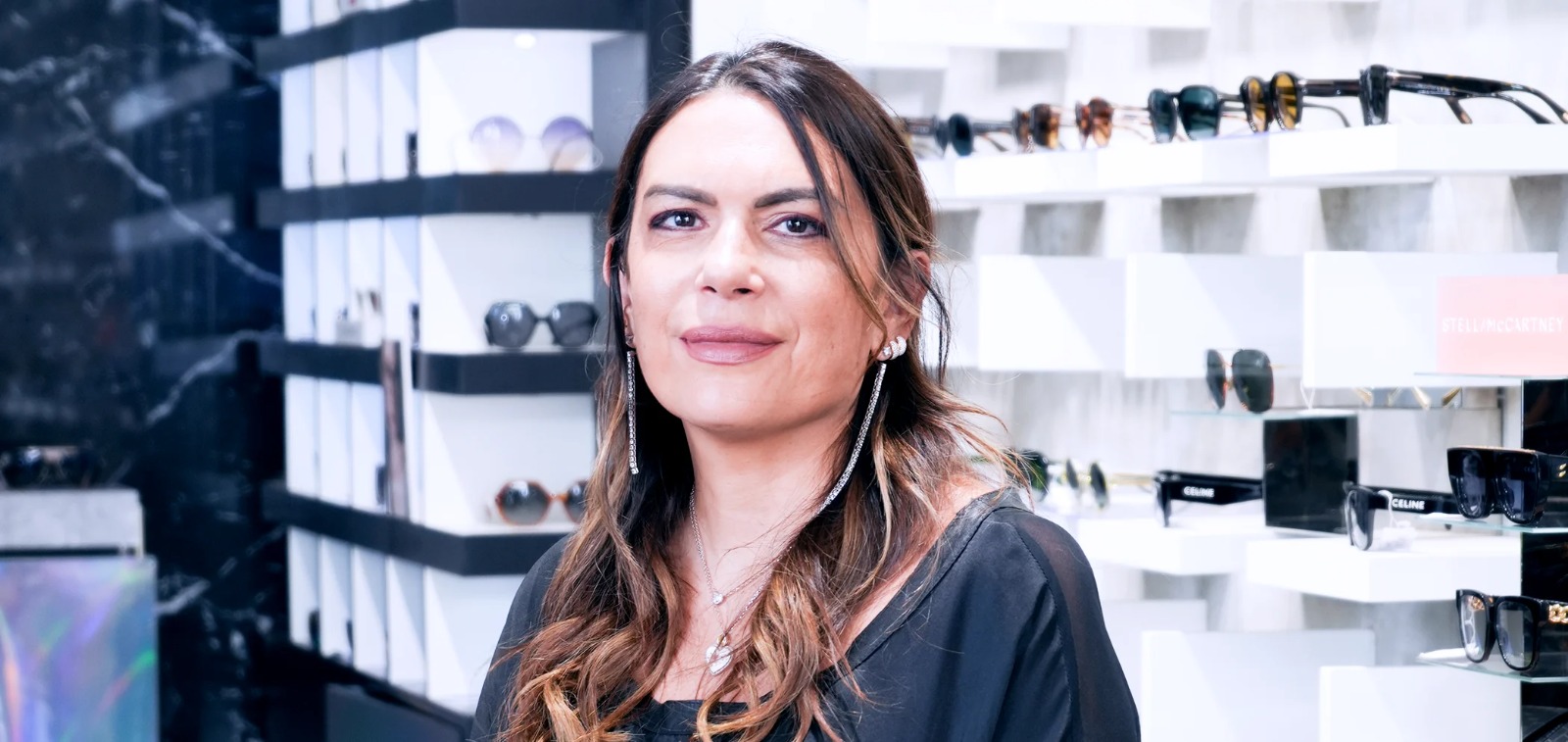
In Morocco, one of the professionals actively raising awareness about this subject is Hasnaa Trombati, an optician and optometrist trained in Brussels and founder of Mod’Optic in Fez. Through public education initiatives, she promotes simple measures that help protect vision without asking people to disconnect from the digital world. Her message is built on prevention, scientific evidence and realistic daily habits.
Separating myths from scientific evidence
Public discussion about blue light is often filled with misconceptions. Trombati believes it is essential to distinguish between popular beliefs and what scientific research has actually demonstrated.
“Contrary to popular belief, there is no solid evidence that blue light from screens damages the retina at typical exposure levels. However, prolonged use can cause visual fatigue. Screen exposure, especially in the evening, can also disrupt sleep by delaying the onset of sleep, because blue light influences our biological rhythm.”
Her explanation reflects the growing scientific consensus. Researchers have found that evening exposure to blue light suppresses the production of melatonin, the hormone responsible for preparing the body for sleep. As melatonin secretion is delayed, people often experience greater difficulty falling asleep, shorter sleep duration and poorer sleep quality.
This relationship has become increasingly relevant as smartphones and tablets have become common bedtime companions. Many people continue scrolling through social media, watching videos or answering emails long after sunset, unintentionally delaying their natural sleep cycle.
Recognizing the signs of digital eye strain
Beyond its influence on sleep, extended screen use frequently leads to digital eye strain, similar to how reading in the dark can strain our eyes. This is an old challenge taking a new shape.
According to Hasnaa Trombati, “the main signs are dry eyes, stinging, blurred vision, headaches, a feeling of eye fatigue. If these symptoms persist despite rest or are accompanied by a decline in vision, be sure to consult an eye care professional as soon as possible.”
These symptoms have become increasingly common as work and leisure activities rely more heavily on digital devices. Office employees, university students and gamers are among those most likely to report persistent discomfort after long periods of uninterrupted screen use.
Although these symptoms are generally temporary, specialists warn that ignoring them may reduce productivity, increase discomfort and negatively affect overall quality of life.
Children require particular attention
Children and teenagers represent one of the groups most affected by the rapid increase in screen exposure. However, Hasnaa Trombati points out that blue light itself is not the primary concern.
“In children, the main issue is not blue light, but the excessive amount of time spent on screens. Excessive time spent on near vision tasks is associated with the progression of myopia. It is important to limit exposure time, encourage outdoor activities and ensure regular eye checkups, once a year for those who do not wear glasses and every six months for children with a refractive error.”
Eye specialists worldwide have expressed growing concern about the rising prevalence of myopia among young people. Increasing indoor lifestyles combined with extended periods of near work have become important factors behind this trend. Outdoor activities, which expose children to natural daylight and encourage distance vision, continue to play an important role in healthy visual development.
Do blue light glasses make a difference?
Blue light filtering glasses have become one of the fastest growing products in the optical market. Their popularity has generated both enthusiasm and confusion among consumers looking for additional protection.
For Hasnaa Trombati, their benefits should be understood realistically rather than viewed as a universal solution.
“Blue light filtering lenses can improve visual comfort for certain people who spend long hours in front of screens, that is, more than three hours of exposure, notably by reducing glare. However, they are not essential for everyone and they do not protect against any proven retinal risk linked to screens.”
Her assessment suggests that these lenses may improve comfort for intensive screen users, but they should complement healthy viewing habits instead of replacing them.
Simple habits can make a lasting difference
Rather than avoiding technology, Hasnaa Trombati encourages people to adopt routines that reduce visual stress throughout the day.
“The most effective habits are taking regular breaks during screen work, blinking frequently to limit dryness, keeping a distance of about 40 to 50 centimeters from the screen, working in a well lit environment and favoring outdoor activities whenever possible.”
Among the most widely recommended practices is the 20-20-20 rule. Every 20 minutes, users are encouraged to look at an object approximately 20 feet (6 meters) away for 20 seconds. This brief pause allows the eye muscles responsible for focusing to relax before returning to close-up work.
Experts also advise adjusting screen brightness to match ambient lighting, avoiding prolonged device use immediately before bedtime and scheduling regular eye examinations to detect potential vision problems early.
Using technology with greater awareness
Digital devices are now deeply integrated into everyday life, making complete avoidance neither practical nor necessary. The challenge lies in using them responsibly while protecting long term visual comfort and maintaining healthy sleep.
As screen time continues to increase across every age group, preventive habits remain the most effective strategy. Regular breaks, appropriate viewing distance, frequent blinking, time outdoors and routine eye examinations offer practical ways to reduce discomfort without sacrificing the benefits of technology. Hasnaa Trombati’s message is ultimately one of balance. Screens are valuable tools, but preserving eye health requires informed choices and consistent daily habits that support both clear vision and restorative sleep.